


Why homeowners choose tile
Extremely durable
Fired-clay tile resists scratches, dents, and heavy traffic, one of the toughest floors made.
Built for wet areas
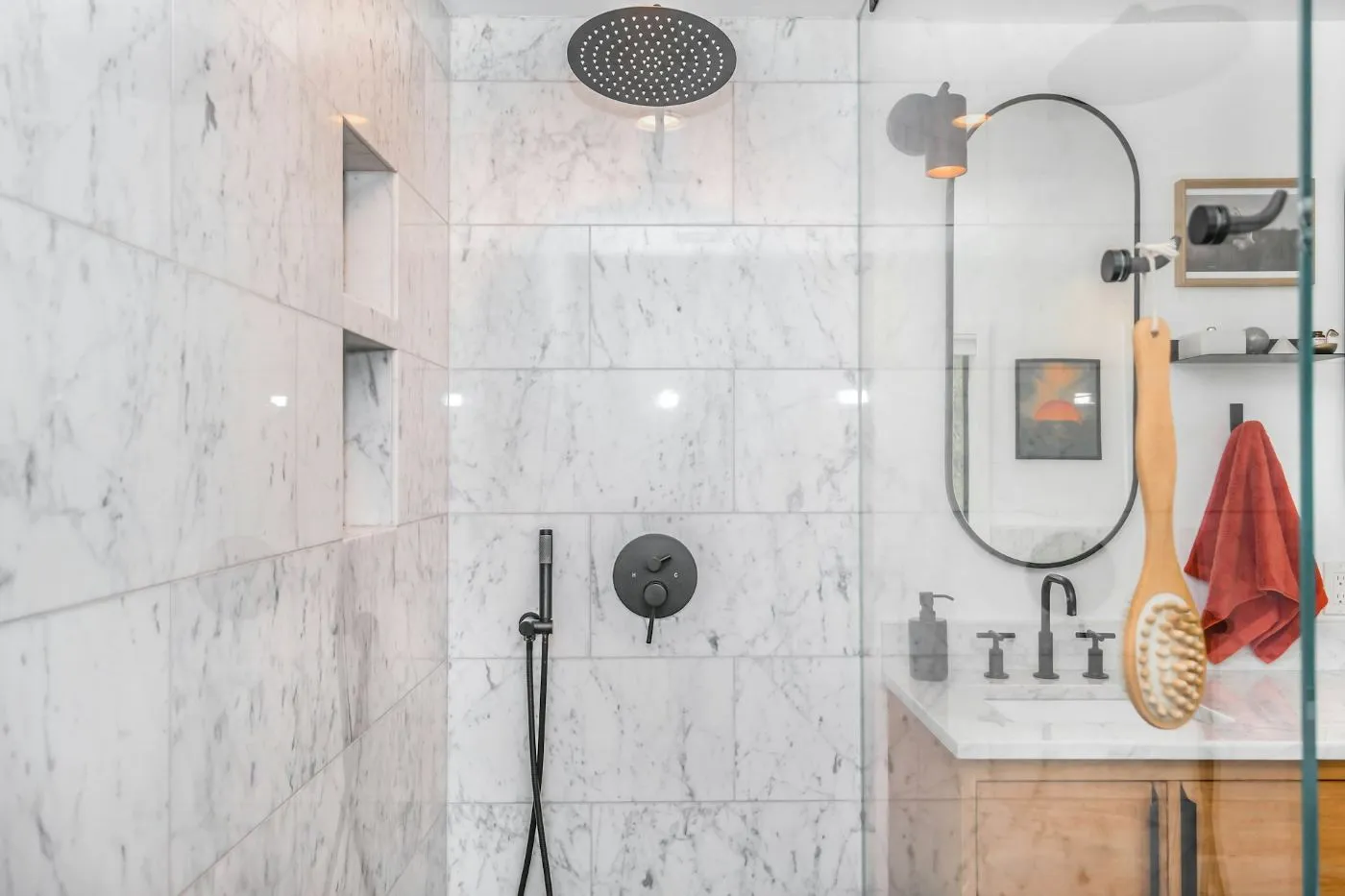
Impervious to water when properly installed, the go-to for bathroom floors, showers, and backsplashes.
Low maintenance
No refinishing, no sealing for most porcelain, just sweep and mop to keep it looking new.
Design freedom
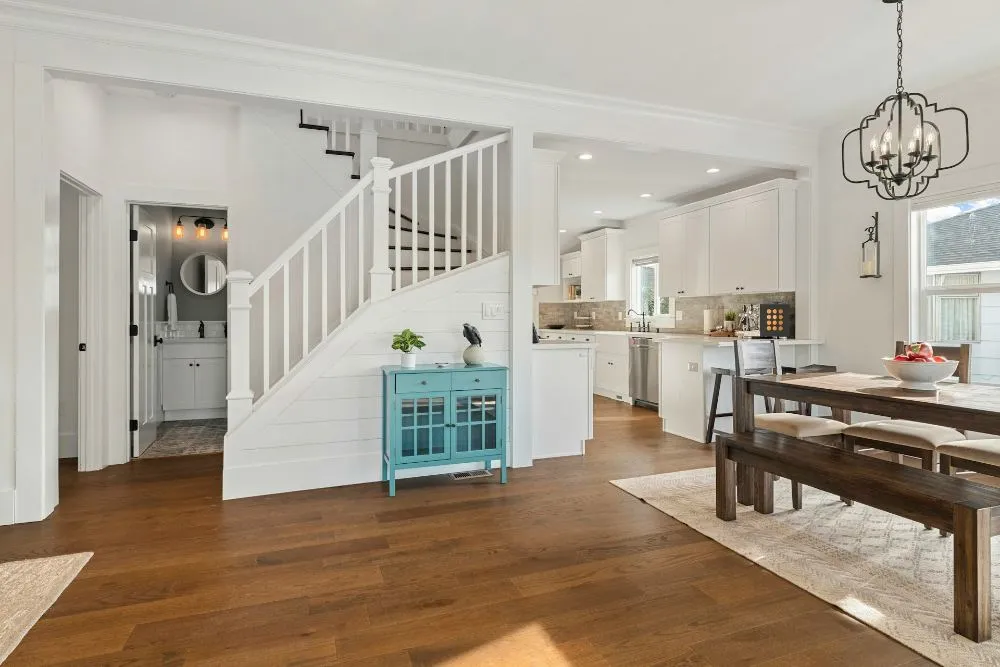
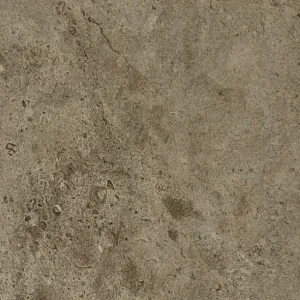
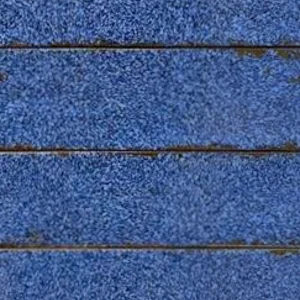
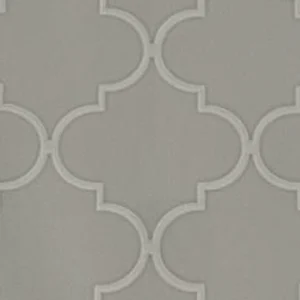
Endless colors, sizes, patterns, and looks, including convincing wood and stone visuals.
What is tile?
Tile is clay pressed into shape and fired in a kiln until it's hard, dense, and water-resistant. It's the most durable surface we install, and it works on floors, walls, showers, and backsplashes alike.
There are two main types. Ceramic is made from natural clay, fired at lower temperatures, and usually glazed. It's a bit softer, easier to cut, and typically costs less, which makes it a good fit for walls, backsplashes, and lighter-traffic rooms. Porcelain is made from finer clay fired at much higher temperatures, so it's denser, harder, and nearly impervious to water. That makes it the stronger choice for floors, wet areas, and busy spaces, and it's what we recommend most often.
Both come in a huge range of looks. High-definition printing lets porcelain convincingly mimic hardwood, stone, and concrete, and large-format sizes keep grout lines to a minimum for a clean, modern floor.
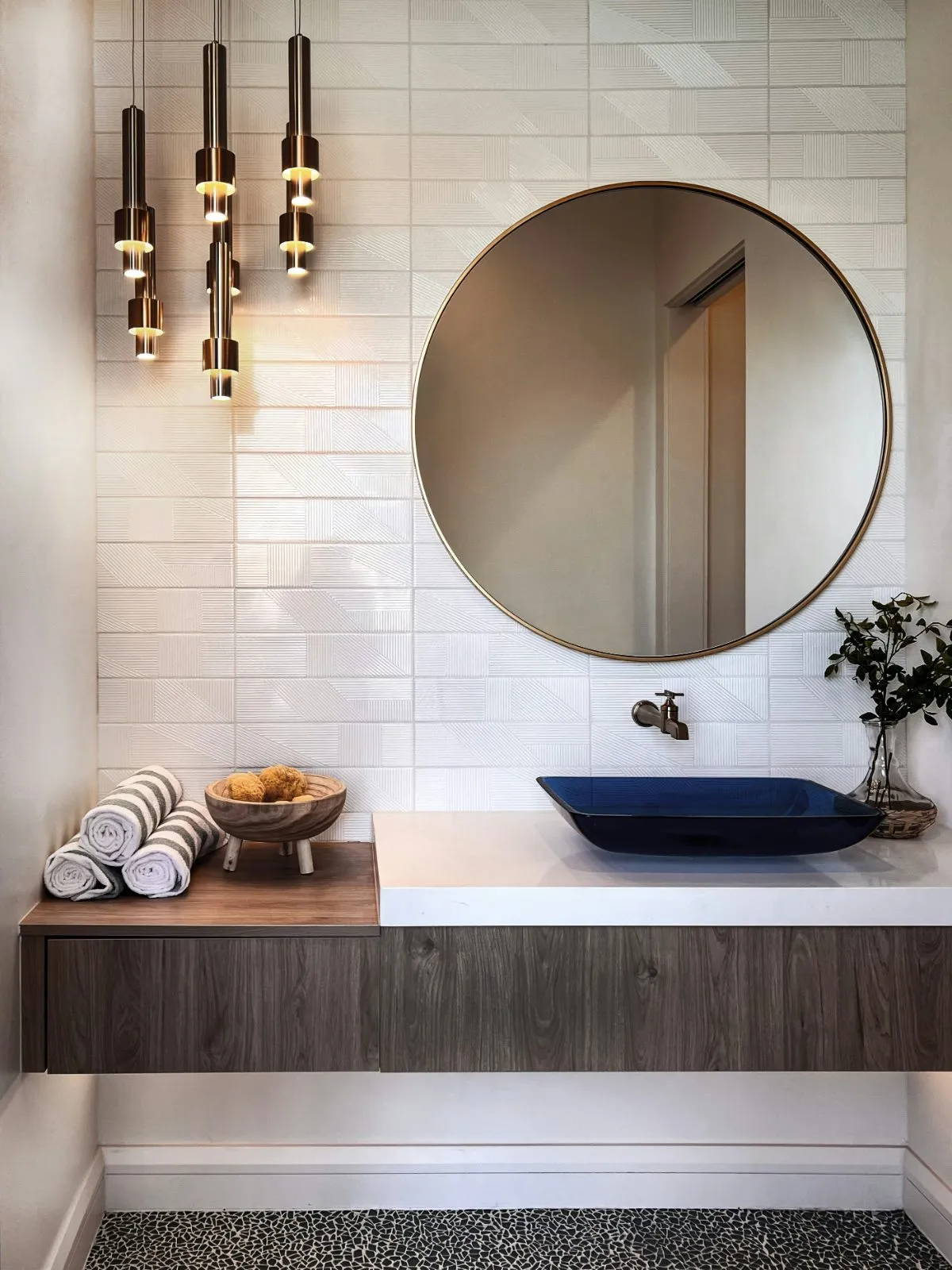
See your new floor before you commit
Choosing tile from a small sample is hard. Our Room Visualizer previews any tile style in a real room, color, size, and pattern at actual scale. Pick any product in our catalog and tap See This In My Room, then upload a photo of your space.
Tile pros & cons
An honest look at where tile shines, and where another floor might serve you better.
The benefits: where tile wins
Worth knowing
Financing is coming soon
You asked for a way to spread the cost of new floors. We're finalizing a program with Home Solutions Credit now.
How durable is tile, really?
Properly installed and cared for, a tile floor can last 50 years or more, porcelain is one of the longest-lasting flooring materials available.
Porcelain's durability comes from its density. Fired at higher temperatures than ceramic, it's harder, less porous, and more resistant to scratches, stains, and moisture, which is why it holds up in high-traffic and wet spaces where other floors struggle.
The other half of longevity is installation. A properly prepared substrate, the right setting materials, correct waterproofing, and well-finished grout keep a tile floor performing for decades, precise, skilled work where professional installation makes the difference.
And when we install it, your floor is covered twice: our own installation warranty, plus the manufacturer's product warranty, which on many lines runs for decades and on some for the life of the floor. We supplied it and we installed it, so any warranty question is one call to us.
Tile FAQs
The questions Carolina homeowners ask us most, answered straight.
Understanding tile
What is the difference between porcelain and ceramic tile?
Both are made from fired clay, and porcelain is actually a subtype of ceramic, but porcelain is fired at higher temperatures, making it denser, harder, and far less porous. That means porcelain is more water-resistant and durable, ideal for floors and wet areas, while ceramic is slightly softer, easier to cut, and a great value for walls and lower-traffic spaces. On the floor, porcelain is usually the stronger choice.
Can tile look like wood or stone?
Yes, and convincingly so. Modern high-definition printing lets porcelain tile mimic hardwood, natural stone, and concrete remarkably well. You get the warm look of wood or the elegance of stone with tile's superior durability and water resistance, a popular choice for homeowners who want the look without the upkeep.
Choosing tile
Is porcelain or ceramic better for floors?
For most floors, porcelain is the better choice. It's denser, harder, and more water-resistant, so it stands up better to traffic, moisture, and daily wear. Ceramic still works well on floors in drier, lower-traffic rooms and costs a bit less, but for bathrooms, kitchens, entryways, and busy areas, porcelain's durability is worth it.
What is large-format tile?
Large-format tile refers to tiles roughly 24 inches and larger, including gauged porcelain panels. Bigger tiles mean fewer grout lines, which creates a cleaner, more seamless, contemporary look and makes the floor easier to clean. It requires a very flat, well-prepared substrate and skilled installation to set correctly, exactly the kind of work a professional crew handles.
Durability & lifespan
How long does tile flooring last?
Tile is one of the longest-lasting floors available. Porcelain can last 50 years or more, and ceramic commonly lasts several decades with proper care. Because tile resists scratches, moisture, and wear so well, a quality tile floor often outlasts nearly every other surface in the home, the grout usually needs attention long before the tile itself does.
Does tile crack or scratch easily?
Tile is highly scratch-resistant, especially porcelain. It can crack or chip if a heavy object is dropped on it or if it's installed over a poorly prepared substrate that flexes, which is why proper installation matters so much. On a solid, correctly prepped floor, quality tile stands up to decades of daily use.
Grout
Does grout need to be sealed?
Usually, yes. Cement-based grout is porous and will absorb moisture and stains over time, so sealing it, especially in showers, backsplashes, and other wet areas, keeps it looking new and performing well. Epoxy and urethane grouts don't need sealing. We'll recommend the right grout for each area and tell you exactly what maintenance it needs.
How do I keep grout clean?
Routine mopping with a pH-neutral cleaner handles most of it. For deeper cleaning, a soft brush and a grout-safe cleaner work well, avoid bleach and harsh acids, which can break down and discolor grout over time. Keeping the sealer fresh (typically every year or two in wet areas) is the best defense against staining.
Does grout color matter?
More than most people expect. Matching grout to the tile creates a seamless, contemporary look, while contrasting grout emphasizes the pattern and shape of each tile, and darker grout hides wear in busy areas. It's a small decision with a big visual impact, and we'll show you options side by side during selection.
Care & installation
Does tile flooring need to be sealed?
Most glazed porcelain never needs sealing, it's naturally impervious to water and stains. Some ceramic and most natural-stone and unglazed tiles do benefit from periodic sealing. Grout, however, is porous and often benefits from sealing to resist stains and moisture, especially in wet areas. We'll tell you exactly what your specific tile needs.
How do I clean tile floors?
Tile is one of the easiest floors to maintain, sweep or vacuum to remove grit, then mop with a mild, pH-neutral cleaner. Avoid harsh or abrasive cleaners that can dull the surface or damage grout. Keeping grout lines clean (and sealed where needed) is the main ongoing task, and it keeps the whole floor looking fresh.