

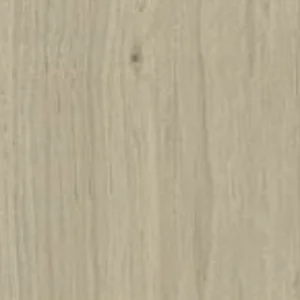
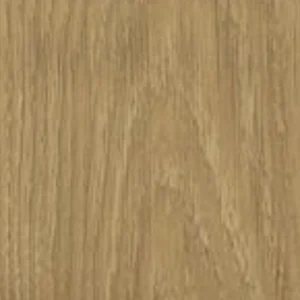
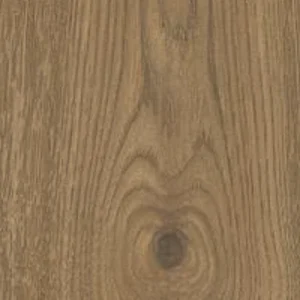
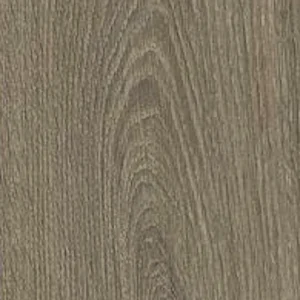
Why homeowners choose laminate
Great value
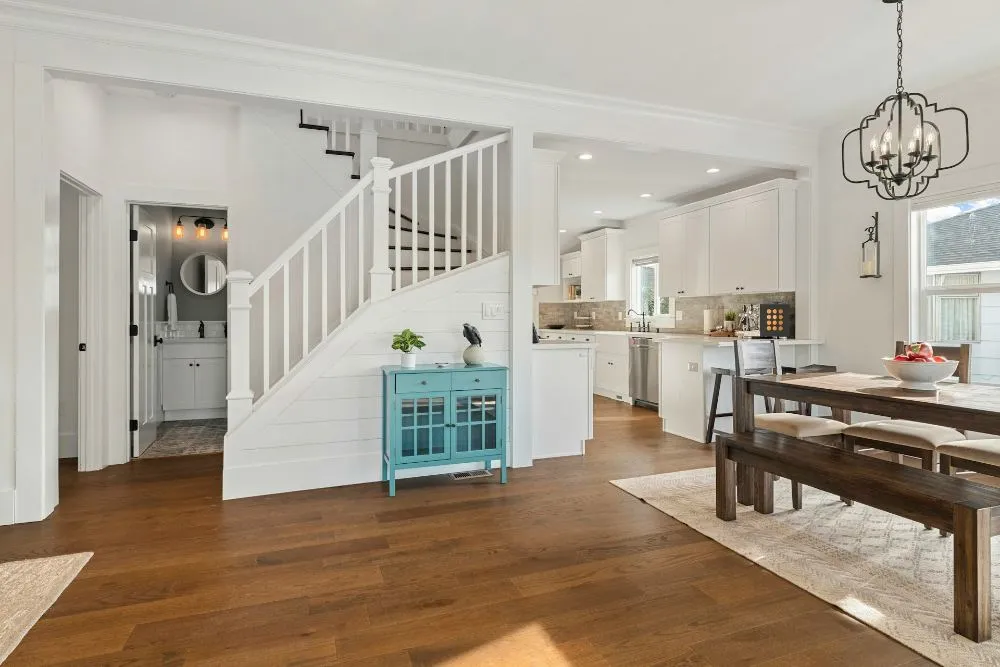
The look of hardwood at a fraction of the cost, one of the most affordable wood-look floors.
Scratch-resistant
A tough wear layer stands up to pets, kids, and busy households better than real wood.
Realistic looks
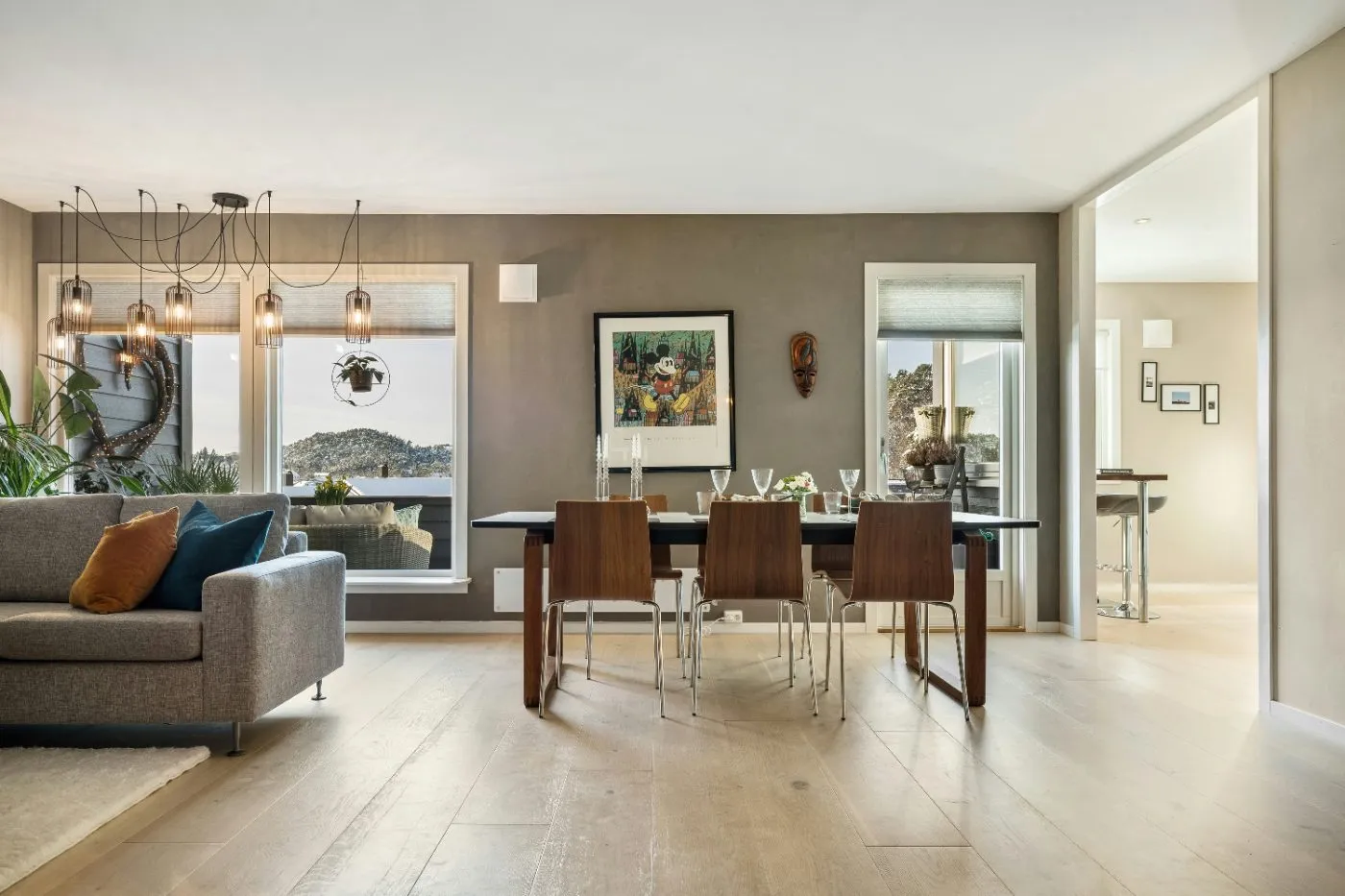
High-definition printing recreates convincing wood grain, color, and texture.
Easy to maintain
No refinishing, no sealing, sweep and occasionally damp-mop and you're done.
What is laminate?
A synthetic, wood-look floor made of layers pressed together, a printed image of wood over a dense fiberboard core, sealed under a tough wear layer.
The construction is what makes laminate work. A clear, hard wear layer resists scratches and scuffs. Beneath it, a high-definition photographic layer recreates real wood grain. That sits on a high-density fiberboard (HDF) core, over a backing layer for stability.
Most laminate installs as a floating, click-lock floor, no nails, no glue. Standard laminate is water-resistant, not waterproof: its wood-based core can swell with prolonged exposure. For truly wet areas, luxury vinyl is the safer choice.
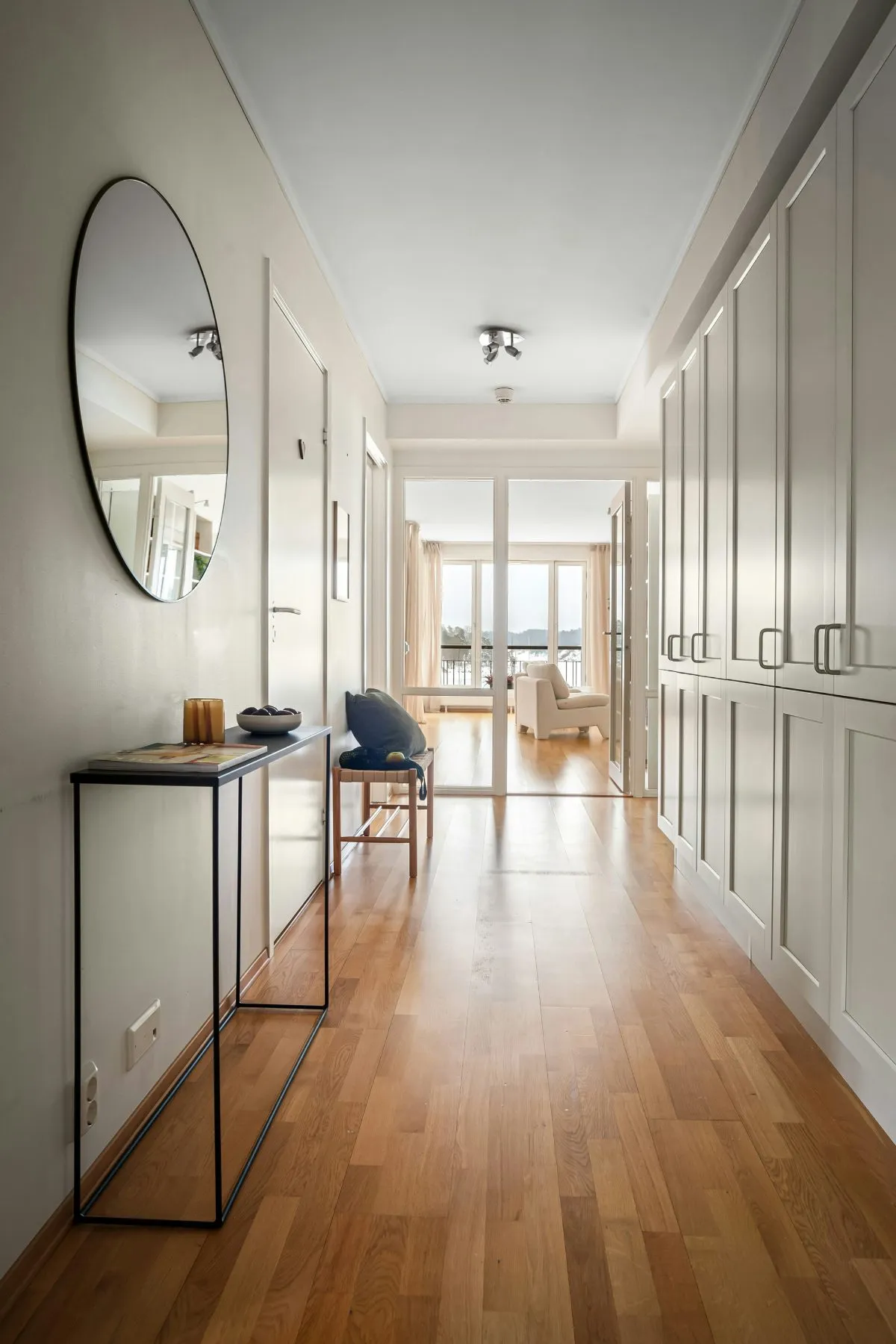
See your new floor before you commit
Choosing laminate from a small sample is hard. Our Room Visualizer previews any laminate style in a real room, color, grain, and plank width at actual scale. Pick any product in our catalog and tap See This In My Room, then upload a photo of your space.
Laminate pros & cons
An honest look at where laminate shines, and where another floor might serve you better.
The benefits: where laminate wins
Worth knowing
Financing is coming soon
You asked for a way to spread the cost of new floors. We're finalizing a program with Home Solutions Credit now.
How durable is laminate, really?
With proper care, a quality laminate floor lasts 15 to 25 years, and the biggest factors are the wear-layer rating and keeping water in check.
Laminate's toughness comes from its wear layer, which resists the scratches and scuffs that wear other wood-look floors down. Laminate is rated on an AC (abrasion class) durability scale, higher ratings handle heavier traffic, so matching the rating to the room matters.
Water is laminate's main limitation. Standard laminate is water-resistant, not waterproof, its core can swell if water sits on seams. Water-resistant laminates handle spills longer, but for genuinely wet rooms, luxury vinyl is the more forgiving choice. Wiping up spills promptly is the key habit.
And when we install it, your floor is covered twice: our own installation warranty, plus the manufacturer's product warranty, which on many lines runs for decades and on some for the life of the floor. We supplied it and we installed it, so any warranty question is one call to us.
Laminate FAQs
The questions Carolina homeowners ask us most, answered straight.
Understanding laminate
What is laminate?
Laminate is a synthetic, wood-look floor built from layers: a tough clear wear layer on top, a high-definition photographic layer that recreates wood grain, a dense fiberboard core, and a backing layer. It installs as a floating floor with a click-lock system and is popular as an affordable, durable alternative to hardwood.
Is laminate flooring waterproof?
Standard laminate is water-resistant, not waterproof, its wood-based fiberboard core can swell with prolonged water exposure. Newer water-resistant laminates handle spills better, often for 24 hours or more, but no standard laminate is truly waterproof. For bathrooms, laundry rooms, and other wet areas, luxury vinyl, with its waterproof planks, is the safer choice.
Laminate vs. other floors
Which is better, laminate or LVP?
The biggest difference is water. LVP (luxury vinyl plank) planks are waterproof, while laminate is only water-resistant, so LVP is the safer choice for kitchens, bathrooms, and basements. Laminate, on the other hand, often has a very convincing, textured wood look and can feel a touch more like real wood underfoot. For whole-home durability around moisture, most homeowners lean LVP; for a great wood look in dry rooms at a budget price, laminate is a strong value.
How does laminate compare to hardwood?
Laminate costs far less than hardwood and resists scratches better, but it's a printed image rather than real wood, it can't be refinished and won't add resale value the way genuine hardwood does. Hardwood offers authentic beauty and can last generations with refinishing. It comes down to budget and priorities: the look and toughness of laminate at a low price, or the authenticity and long-term value of real wood.
Durability & lifespan
How long does laminate flooring last?
With proper care, quality laminate lasts 15 to 25 years. Lifespan depends on the wear-layer (AC) rating, the traffic it sees, and how well water is kept in check. Choosing a durability rating matched to the room and wiping up spills promptly are the biggest factors in getting the most life out of a laminate floor.
Does laminate scratch easily?
Not with a good wear layer, laminate's tough top layer is one of its main strengths, resisting the scratches and scuffs of daily life better than real wood. That's why it's a popular choice for homes with pets and kids. Matching the AC durability rating to the room's traffic gives you the best scratch protection.
Care & installation
How do I clean laminate flooring?
Sweep or vacuum regularly to remove grit, and clean with a damp, not wet, mop using a laminate-safe cleaner. The key is to avoid excess water and never let liquid pool, since standing water can seep into the seams and swell the core. Wipe spills promptly and skip steam mops, which force moisture and heat into the floor.
Can laminate be installed over existing floors?
Often, yes. Because most laminate floats with a click-lock system, it can frequently go over existing hard surfaces as long as they're clean, dry, and level. A quality underlayment underneath improves comfort and sound. During your consultation, we'll assess your subfloor and recommend the right approach.