

Why homeowners choose luxury vinyl
Realistic looks
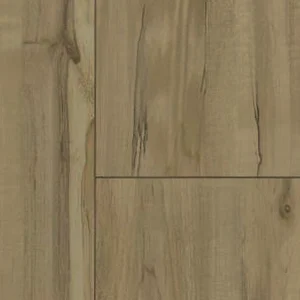
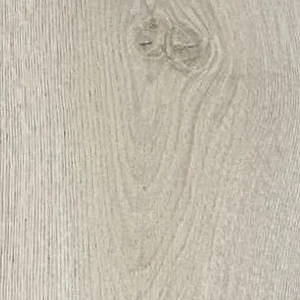
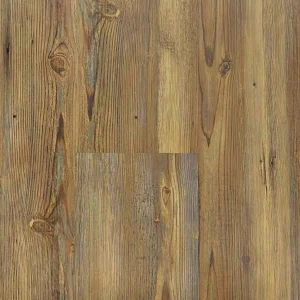
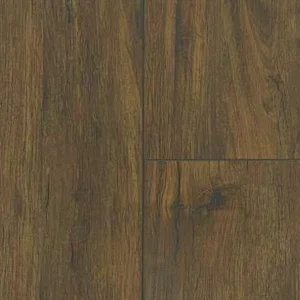
High-definition textures that convincingly mimic hardwood, natural stone, and ceramic tile.
Built to last
A tough wear layer resists scratches, scuffs, and dents in your busiest rooms.
Built for wet rooms
Waterproof planks handle spills, splashes, and humidity. Installed right, ideal for kitchens, baths, and basements.
Great value
The look and feel of hardwood at a fraction of the cost, and far less upkeep.
What is luxury vinyl?
A multi-layer floor with waterproof planks built around a rigid core, in planks that look like hardwood (LVP) or tiles that look like stone and ceramic (LVT).
Each plank or tile is built from several layers: a clear wear layer on top that resists scratches and stains, a high-definition image layer that recreates real wood grain, a rigid core that gives the plank its stability, and a backing layer that adds comfort and quiet underfoot.
LVP vs. LVT comes down to shape and look. LVP (luxury vinyl plank) mimics hardwood in long planks; LVT (luxury vinyl tile) mimics stone or ceramic in square and rectangular tiles. Construction, durability, and water performance are essentially identical, pick the look you love.
Most luxury vinyl uses a click-lock system that floats over your existing subfloor, no nails, no glue, which makes for a clean, fast, and durable installation when done by a professional crew.
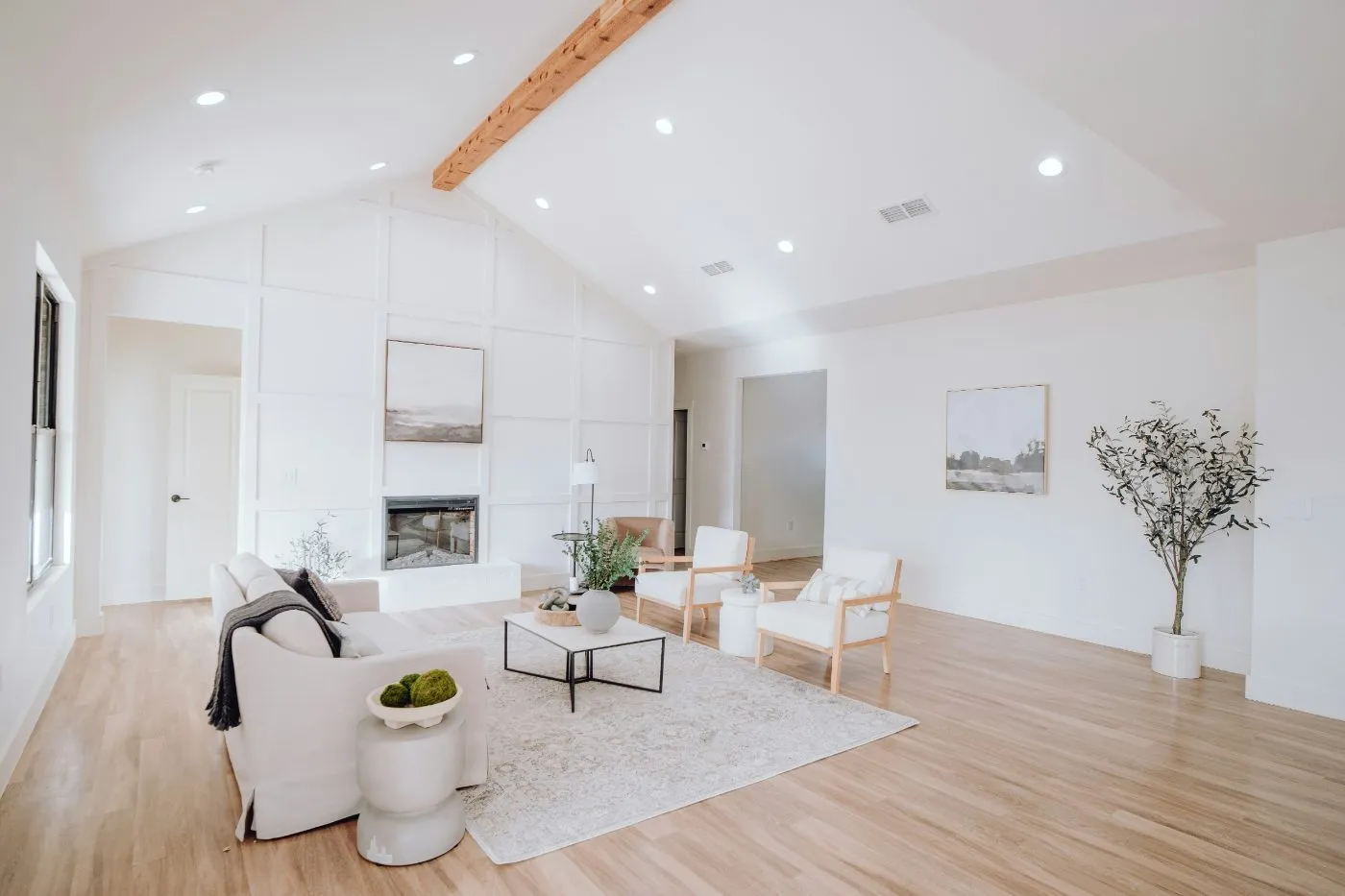
See your new floor before you commit
Choosing a floor from a small sample is hard. Our Room Visualizer previews any luxury vinyl style in a real room, color, grain, and plank width at actual scale. Pick any product in our catalog and tap See This In My Room, then upload a photo of your space.
Luxury vinyl pros & cons
An honest look at where luxury vinyl shines, and where another floor might serve you better.
The benefits: where luxury vinyl wins
Worth knowing
Financing is coming soon
You asked for a way to spread the cost of new floors. We're finalizing a program with Home Solutions Credit now.
How durable is luxury vinyl, really?
With basic care, a quality luxury vinyl floor lasts 15 to 25 years, and the single biggest factor is the wear layer.
The wear layer is the clear, protective top coat measured in mils. For busy households, 12 mil is the standard and 20 mil or higher is ideal where there are pets, kids, or heavy foot traffic. A thicker wear layer is the best predictor of how long your floor will look new.
Luxury vinyl is waterproof at the plank level, but a truly water-tight floor depends on the whole system, proper seam fit, the right underlayment, and correct installation to keep moisture from reaching the subfloor. That's where professional installation earns its keep.
And when we install it, your floor is covered twice: our own installation warranty, plus the manufacturer's product warranty, which on many lines runs for decades and on some for the life of the floor. We supplied it and we installed it, so any warranty question is one call to us.
LVP FAQs
The questions Carolina homeowners ask us most, answered straight.
Understanding LVP
What is luxury vinyl plank (LVP) flooring?
Luxury vinyl plank is a wood-look floor made of several layers built around a rigid core. A clear wear layer protects a high-definition image layer that recreates real wood grain, while the core and backing add stability and comfort. It installs as a floating floor over most subfloors and is prized for its waterproof planks, durability, and a cost well below hardwood.
Is there a difference between vinyl plank and luxury vinyl plank?
In everyday use, the terms are used interchangeably, most people saying "vinyl plank" mean LVP. The word "luxury" signals a thicker, more durable wear layer and more realistic visuals than older, thin sheet-vinyl products. If you're comparing modern plank flooring today, you're almost always looking at luxury vinyl plank.
What's the difference between LVP and LVT?
They're the same family of product in different shapes. LVP (luxury vinyl plank) is designed to look like hardwood in long, rectangular planks. LVT (luxury vinyl tile) is designed to look like stone or ceramic tile in squares or rectangles. The core construction, durability, and water performance are essentially identical, the choice comes down to whether you want a wood look or a tile look.
LVP vs. other floors
Which is better: laminate or LVP?
The biggest difference is water. LVP planks are waterproof, while laminate is only water-resistant, which makes a properly installed LVP floor the safer choice for kitchens, bathrooms, basements, and any moisture-prone space. Both offer realistic wood looks and easy care, but for whole-home durability and peace of mind around spills, most homeowners choose LVP.
How does LVP compare to hardwood?
Hardwood offers timeless, natural beauty and can be refinished multiple times, often lasting decades, but it scratches, reacts to moisture, and costs considerably more. LVP delivers a very convincing wood look with better water and scratch resistance at a fraction of the price, though it can't be refinished and won't add the same resale value. It comes down to whether you prioritize authentic material or practical performance and value.
Durability & lifespan
How long does LVP flooring last?
With typical household wear and basic maintenance, quality LVP lasts 15 to 25 years, and commercial-grade products with a 20-mil wear layer can go longer. The single biggest factor is wear-layer thickness, so investing in a quality product upfront pays off over the life of the floor.
Does LVP scratch easily?
Not with a good wear layer. LVP is built specifically to resist the scuffs, scratches, and dents of daily life, which is why it's a favorite in homes with kids and pets. Choosing a thicker wear layer (12 mil or more, 20 mil for the busiest spaces) gives you the best scratch protection.
Is LVP really waterproof?
The planks themselves are waterproof, which is what sets LVP apart from laminate. That said, a truly water-tight floor depends on the whole system, proper seam fit and correct installation keep water from getting underneath to the subfloor. Professionally installed, LVP handles spills, splashes, and humidity beautifully.
Maintenance & care
How do I clean and maintain LVP flooring?
It's about as low-maintenance as flooring gets. Sweep or vacuum (on a hard-floor setting) regularly to remove grit, and damp-mop with a pH-neutral cleaner as needed. Wipe up spills promptly and skip abrasive scrub pads or harsh chemicals. No waxing, sealing, or refinishing is ever required.
Can I use a steam mop on LVP?
It's best to avoid it. Most manufacturers advise against steam mops, because heat and pressurized moisture can soften seams and compromise the click joints over time, and it may void your warranty. A microfiber damp-mop is the safer, recommended choice.
Installation & cost
Can LVP be installed over existing floors?
Often, yes. Because most LVP floats with a click-lock system, it can frequently go over existing concrete, tile, or other hard surfaces, as long as the surface is clean, dry, and level. This makes it a convenient choice for remodels. During your consultation, we'll assess your subfloor and recommend the right approach.
What does LVP flooring cost to install?
Cost depends on the product you choose (wear-layer thickness and brand), the square footage, and any subfloor prep your space needs. LVP is generally more affordable than hardwood or tile. The best way to get a real number is a quote, tell us about your space and we'll put together honest pricing.